
Effective communication is the foundation of a successful workplace. No matter how skilled employees are technically, poor communication can lead to misunderstandings, conflicts, low productivity, and missed opportunities. This is why communication skills at the workplace are considered one of the most essential professional skills today.
Moreover, organizations with strong communication cultures experience better collaboration, higher employee engagement, and improved performance. Because of this, communication skills training has become a priority for modern organizations.
At Career Craft, we help employees and teams develop strong workplace communication skills through structured and practical training programs.
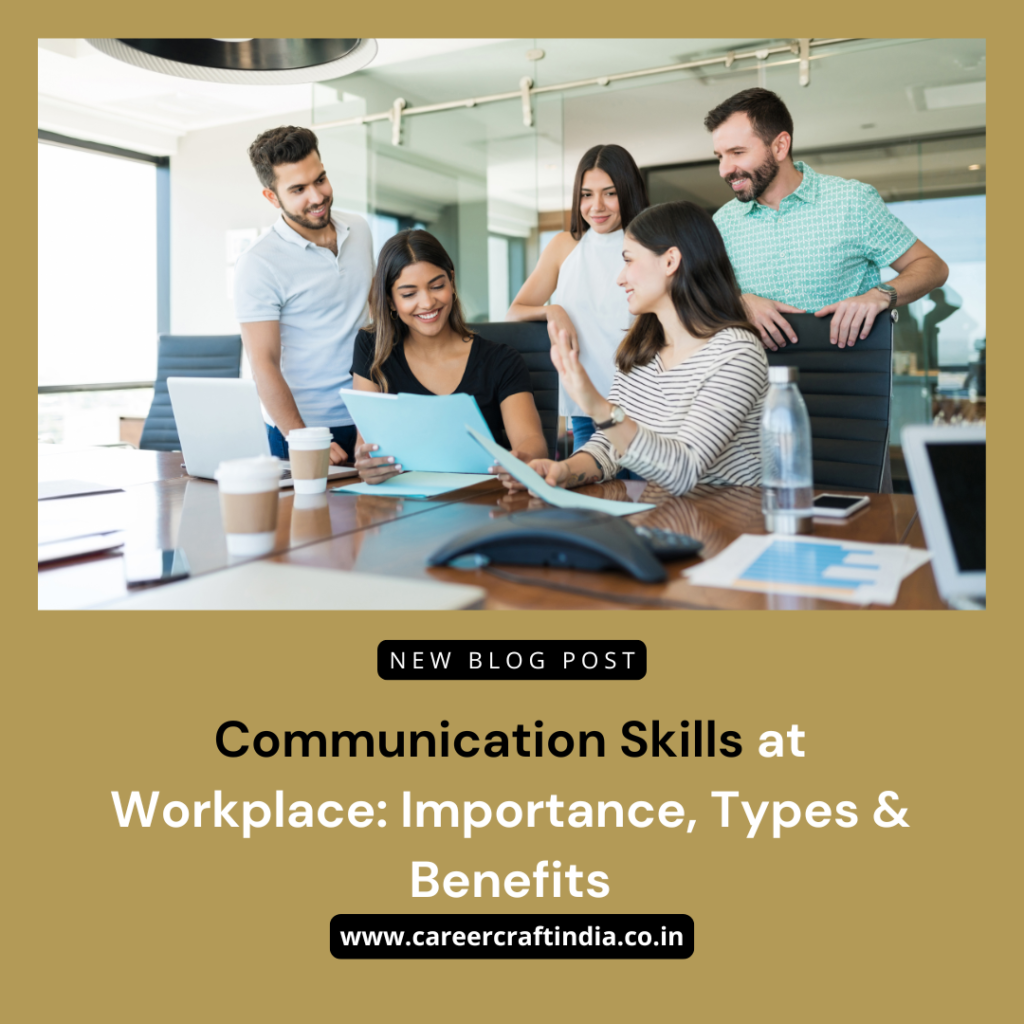
What Are Communication Skills at the Workplace?
Communication skills at the workplace refer to the ability of employees to share information clearly, listen actively, and interact professionally with colleagues, managers, clients, and stakeholders.
These skills involve both verbal and non-verbal communication and play a crucial role in daily work interactions.
In addition, strong communication helps employees express ideas confidently and understand expectations clearly. As a result, work processes become smoother and more efficient.
Why Communication Skills Are Important at the Workplace
Modern workplaces depend on teamwork, collaboration, and continuous interaction. Without effective communication, even simple tasks can become challenging.
According to Harvard Business Review, poor communication is one of the leading causes of workplace inefficiency and employee disengagement.
Source: https://hbr.org
Therefore, developing communication skills is essential for both individual success and organizational growth.
Key Benefits of Strong Communication Skills at Workplace
1. Improves Team Collaboration
Clear communication helps teams coordinate tasks effectively. Employees understand roles, responsibilities, and deadlines better.
As a result, teamwork becomes more productive and efficient.
2. Reduces Workplace Conflicts
Many conflicts arise due to misunderstandings. Effective communication helps employees express concerns respectfully and listen actively.
Consequently, issues are resolved before they escalate.
3. Enhances Employee Productivity
When instructions and expectations are clear, employees spend less time seeking clarification.
Because of this clarity, productivity increases significantly.
4. Builds Strong Workplace Relationships
Good communication builds trust among team members and between employees and managers.
As a result, workplace relationships become stronger and more positive.
5. Improves Leadership Effectiveness
Leaders must communicate vision, feedback, and expectations clearly. Strong communication skills help leaders guide teams confidently.
Therefore, leadership effectiveness improves.
6. Increases Employee Engagement
Employees feel valued when communication is open and transparent. They are more likely to share ideas and feedback.
Consequently, engagement and motivation increase.
7. Improves Customer and Client Interaction
Employees with strong communication skills handle clients professionally. Clear and empathetic communication improves customer satisfaction.
As a result, business reputation and loyalty grow.
8. Supports Better Decision-Making
Clear communication ensures accurate information sharing. Employees and leaders make better decisions with proper understanding.
Therefore, errors and delays reduce.
9. Encourages Knowledge Sharing
Effective communication promotes sharing ideas, best practices, and solutions.
As a result, organizational learning improves.
10. Supports Career Growth
Professionals with strong communication skills perform better in meetings, presentations, and leadership roles.
Because of this, communication skills directly support career advancement.
Types of Communication Skills at the Workplace
Verbal Communication
Includes meetings, discussions, presentations, and phone conversations.
Non-Verbal Communication
Body language, facial expressions, posture, and eye contact.
Written Communication
Emails, reports, messages, and documentation.
Listening Skills
Active listening helps employees understand information accurately.
Interpersonal Communication
Daily interactions with colleagues, managers, and clients.
Each type plays a vital role in workplace effectiveness.
Common Workplace Communication Challenges
- Misunderstandings due to unclear messages
- Poor listening habits
- Lack of feedback
- Cultural and language differences
- Overuse of digital communication without clarity
These challenges can be addressed through structured training.
Role of Communication Skills Training at Workplace
Communication skills training helps employees:
- Express ideas clearly
- Listen actively
- Handle difficult conversations
- Communicate confidently with teams and clients
At Career Craft, our communication skills training programs focus on real workplace scenarios and practical application.
Learn more about us:
👉 https://careercraftindia.co.in/about.php
Explore our training programs:
👉 https://careercraftindia.co.in/programs.php
Communication Skills in the Modern Workplace
With remote work, virtual meetings, and digital collaboration tools, communication has become more complex. Employees must communicate clearly across platforms and cultures.
For this reason, communication skills training is more important today than ever before.
Frequently Asked Questions (FAQ)
What are communication skills at the workplace?
They are the abilities to share information clearly, listen actively, and interact professionally at work.
Why are communication skills important at work?
They improve collaboration, productivity, leadership, and workplace relationships.
Can communication skills be improved through training?
Yes, structured training and practice can significantly improve communication skills.
Who should attend communication skills training?
Employees at all levels, including managers and leaders, benefit from communication training.
How does Career Craft deliver communication skills training?
Career Craft offers customized, practical, and outcome-driven training programs.
Improve Workplace Communication with Career Craft
Strong communication skills at the workplace help organizations build collaborative teams, confident leaders, and productive work cultures.
🌐 Visit our website:
👉 https://careercraftindia.co.in/
📖 Read more insights on our blog:
👉 https://careercraftindia.co.in/blog/
📞 Contact us for customized communication skills training:
👉 https://careercraftindia.co.in/contact.php